What Awareness Reveals

One Practitioner's Reflections on Contemplative Living
This writing is a reflection from my life and not meant as expert advice. These are my own opinions and expressions of my personal experience. I offer it with the hope that it is helpful to someone else.
Focused spiritual practice is a string of little surrenders - a series of small letting-go moments. To experience the fullness of spirituality we can seek to release our grip on ideas, opinions, judgments, and stories about who and what we are. Just underneath all that, we can discover peace and clarity. This is what we are up to in prayer, meditation, and contemplation.
Contemplative living is like this; a series of moments, strung together with pauses for inquiry into the ultimate reality of things, for questioning ideas and perceptions. Contemplatives look deeply at life experience and seek to transform any triggers of conditioned responses into awareness moments. When we can remove the overlay of expectation or preconceived ideas from our view, we can meet each moment on its own terms.
Intentional contemplative living can expand awareness of every aspect of life to support understanding of our own attachments and conditioning, as well as our greatness and strength. As we discover what may be limiting us, we can make the necessary changes and flourish.
What an amazing gift awareness is! It shines a light wherever it's needed and reveals the way to express our full potential.
From childhood, I was one of those why, why, but why? children, relentlessly curious and always pressing for deeper answers. As I moved into my early teens, that questioning turned inward. Heartbreak, rejection, and the particular sting of being dismissed or demeaned for who I was all took their toll. I soaked pillows with tears and filled the house with drama, until something in me shifted. With exposure to Eastern spiritual practices and meditation, I learned a different way of answering the question "why".
The questions that emerged from that shift were different in quality from anything I’d asked before: Why do I feel incomplete? Why do I imagine that someone else's love or approval will make me whole? What do I believe I'm lacking, and where does lasting security actually come from?
Those questions became a doorway. They led me toward a practice rooted in meditation, contemplation, and honest inner exploration — and gradually, the answers I had been searching for began to surface.
After a short and direct search I found a master meditation teacher, a technique for doing my inner work, and a template for spiritually focused living. I began to move from bondage to freedom. Soon, I discovered two amazing and transformative truths: that I often caged myself in mental and emotional prisons and that the transformational spiritual experiences I seek are inherent to my essential nature. I found that looking outside of myself for answers only prolonged my self-inflicted suffering. Change would come from within.
Here are three lessons I've learned and applied.
1. Go within. Own your life experience.
While I expect you've heard the saying "we are the ones we've been waiting for", and "wherever you go, there you are," we really are, and you are! No matter where we search for the answers to our heart's questions about the reality and meaning of life, no understanding can come unless the lesson is integrated into our experience. We can read all we want, see every spiritual master and therapist, attend every seminar and workshop - but until we know the truth through direct experience, it's all surface understanding.
Meditate. Contemplate. Go within.
A path and/or a guide are often needed to show us how, and to help us uncover our "stuff" and once we’ve been given the tools – we’ve got to use them to discover where OUR path leads. Whatever awakens that inner exploration within, sit with it, contemplate it, live it.
2. Search your own heart first.
When we are looking for a need to be filled, questioning how to move forward with life decisions, or wish to clearly express our feelings and opinions, the first step is to search our own heart.
We can seek the support of others as partners or helpmates in our growth and healing, not as saviors or fixers. In short: own our own stuff. Cultivate and then trust our own inner wisdom, our built-in soul compass. Self-knowing is a superpower.
3. Go gently forward.
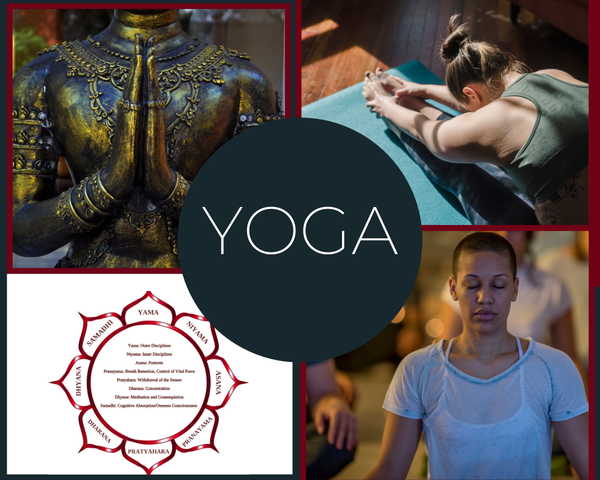
Spiritual disciplines can be challenging, and they should be. To truly grow, it’s helpful to meet our edges and then go beyond them. But intensive practice must be tempered with gentleness and compassion for self. Be aware of any tendency to push through or use willpower to achieve a spiritual goal. My own experience has revealed that practice fueled by willpower is a sure way to stop growing and start suffering. And then, if your conditioning is anything like mine, you may begin to blame the practice for the suffering. Don't fool yourself into finding fault with the practice or technique. Most times laziness is at fault. The practice itself is neutral. In my path of yoga there is a series of techniques to purify and master the instruments of mind and senses. I know that I get what I give. I don't blame the practice for not giving if I haven't truly given myself to the practice. On your path, give yourself over to it. Surrender and go gently toward the goal.
Take responsibility for the good and the not so good. Claim triumphs, own missteps, and set living in truth as a guiding principle.
If we go gently forward and listen to the wise One within who knows what we need, we will reach the goal with an abundance of energy left to enjoy it.
Whatever your spiritual path, may your practice be grace-filled and point you in the direction of soul fulfillment.
I welcome comments that uplift, engage, and energize the contemplative community. Your thoughts are welcome. Login to comment.

Join the Meditation Support Community on select Sundays at 9:00 am Eastern.